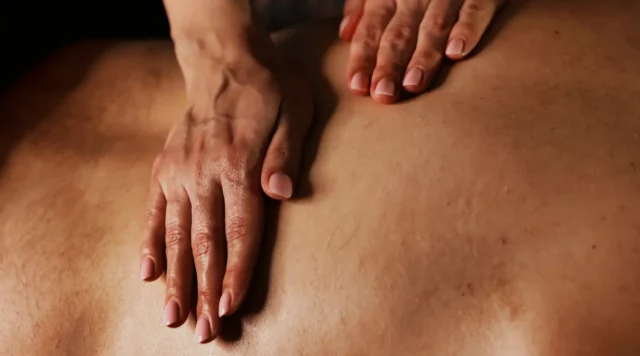
Herniated or Degenerative Disc Pain? How Bodywork Can Help (Without Cracking or Adjusting the Spine)

Bob Tricomi
on
September 3, 2026

If you’ve ever had a doctor mention a “herniated disc” or “degenerative disc disease” after an MRI, you know how unsettling those words can sound. Maybe it started with a sharp pain that shot down your leg. Maybe it’s been a slow, creeping stiffness that never fully goes away, no matter how you sit or sleep. Either way, you’re likely wondering: what actually helps?

Bodywork isn’t a cure for a herniated or degenerating disc. But it can play a real role in how much pain you feel day to day — and in how well your body compensates while healing.

What’s Actually Happening in Your Spine

Diagram showing stages of spinal disc degeneration, from a normal disc to bulging, herniated, degenerative, and thinning discs.

At Bodywork Masters, we often describe regular bodywork maintenance as “flossing the spine.” We work to move and release the fascia surrounding the spine so the spine can move as freely as possible without unnecessary restriction.

When fascia becomes tight, adhered, or restricted around the spine, it can limit normal movement and change how forces are distributed through the back. Over time, these restrictions may contribute to increased mechanical stress in an area that is already vulnerable to problems such as bulging, herniated, or degenerative discs.

A herniated disc happens when the soft, gel-like center of a spinal disc pushes through a crack or weak spot in its tougher outer layer. This can happen suddenly — from lifting something too heavy, lifting incorrectly, a twisting movement, or even without an obvious trigger — and it may press on or irritate a nearby nerve, causing shooting pain down an arm or leg.

Oftentimes, the fascia surrounding the spine is already tight, restricted, or wrapped around the area, limiting the spine’s ability to move freely. When the spine is moving within these restrictions, a twisting movement or improper or heavy lift may place additional stress on the disc and surrounding structures, potentially contributing to a bulge or herniation.

Degenerative disc disease is different. It’s less of an injury and more of a gradual process. The discs between your vertebrae naturally lose height and hydration over time, becoming less able to cushion and absorb movement. Disc degeneration is extremely common as we age and doesn’t always cause symptoms.

This is one reason we emphasize regular bodywork maintenance rather than waiting until something hurts. By “flossing the spine” and keeping the surrounding fascia mobile, our goal is to reduce unnecessary restriction and help the spine and surrounding structures move as freely as possible.

Why the Surrounding Fascia Matters So Much

Close-up of a woman holding her lower back and hip in discomfort.

When a disc is herniated or degenerating, the muscles and fascia around your spine don’t just sit there. They react.

Your body tends to guard the area. Fascia can stiffen and become restricted as the body attempts to protect an area that feels vulnerable. Muscles may remain contracted, and you may unconsciously change how you sit, stand, bend, lift, or walk.

Over time, that compensation can become part of the problem.

Restrictions can extend beyond the immediate area of the spine into the ribs, low back, hips, glutes, SI joint, and legs. As one area stops moving freely, another area often has to work harder to compensate.

This is the piece that fascia-focused bodywork is particularly well suited to address.

How Bodywork Helps

odywork therapist using hands-on pressure to treat a client's lower back.

A fascia-focused Bodywork Masters session isn’t about cracking or adjusting the spine. Instead, we work with the fascia, muscles, and other soft tissues surrounding the spine and throughout the compensation pattern the body has developed.

Our work may include:

  • Releasing chronic fascial guarding around the spine, hips, and glutes so the area isn’t held in constant tension.
  • Reducing restrictions around the spine to help create greater freedom of movement.
  • Improving circulation to tissues that have been tight and restricted.
  • Addressing compensatory tightness in areas such as the hips, glutes, piriformis, and around the SI joint.
  • Restoring mobility to the surrounding fascia so movement can be distributed more freely instead of repeatedly stressing the same area.
  • Using targeted heat and specialized tools to help soften and mobilize stubborn fascial restrictions.

If you’ve read our posts on SI joint pain or L5-S1 dysfunction, you’ve already seen how interconnected these areas can be. A problem that presents as pain in one location may involve restrictions and compensation patterns extending well beyond that spot.

That’s why we don’t simply work where it hurts. We look at how the entire area is moving and where restrictions may be contributing to the problem.

What Bodywork Won’t Do

It’s worth being upfront: bodywork does not repair a damaged disc or reverse disc degeneration.

What skilled bodywork can do is reduce muscular tension and fascial restriction around the spine and affected disc area. When surrounding tissues are contributing to irritation or compression of a nerve, releasing those restrictions may reduce pressure and irritation around the nerve and provide relief from radiating pain, numbness, or tingling.

Bodywork can also work alongside medical care. Many clients come to us after a diagnosis, sometimes in coordination with a physical therapist or physician, looking for relief from the muscular and fascial restrictions and compensation patterns that have developed around the affected area.

Understanding Nerve-Related Symptoms

Symptoms such as radiating pain, numbness, tingling, or weakness can occur when a spinal nerve is irritated or compressed.

With a herniated or bulging disc, the pain or other symptoms someone experiences down the leg or arm are often related to irritation or compression of the nerve rather than simply the presence of the disc abnormality itself.

At Bodywork Masters, our focus is on reducing muscular and fascial restrictions surrounding the spine and creating more freedom of movement around the affected area. When soft-tissue restriction is contributing to nerve irritation, releasing that tension may help decrease symptoms.

Loss of bladder or bowel control, progressive weakness, spreading or worsening numbness, or severe pain that comes on suddenly and does not ease with rest all require prompt medical attention. These can be signs of significant nerve compression or another serious condition that needs immediate medical evaluation, and in some cases surgery may be necessary.

The Bottom Line

Smiling woman stretching her arm overhead outdoors near the beach.

A herniated, bulging, or degenerating disc doesn’t necessarily mean you have to live with constant pain. What you feel can be influenced not only by the disc itself, but also by nerve irritation and the muscular and fascial restrictions your body has developed around the area.

That’s where the Bodywork Masters approach comes in.

By working to release restrictions, address compensation patterns, and “floss the spine” by keeping the surrounding fascia mobile, our goal is to give the spine and surrounding structures greater freedom to move — without cracking or adjusting the spine.

And you don’t necessarily need to wait until you’re in significant pain. Regular bodywork maintenance can help keep the fascia surrounding the spine mobile and address restrictions before they become larger compensation patterns.

If you’re dealing with disc-related back or leg pain — or want to incorporate fascia-focused bodywork into your regular maintenance — book a session with Bodywork Masters. We’ll talk through what you’re experiencing and assess how your body is moving before we begin.

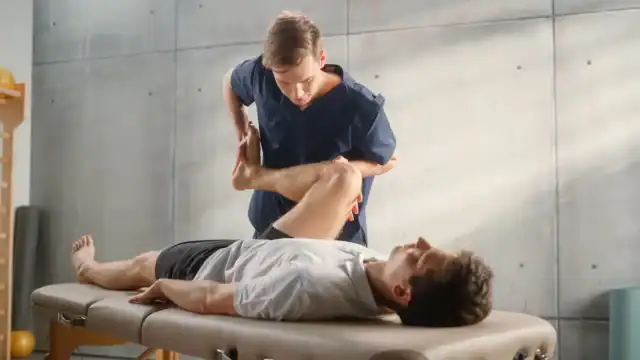
Bob Tricomi

Bob is the creator of the Tricomi Method®, a fascia-focused approach using heat and tools to release pain quickly and effectively. He works hands-on with clients and trains massage professionals through the Bodywork Masters Training Program.

Herniated or Degenerative Disc Pain? How Bodywork Can Help (Without Cracking or Adjusting the Spine)

Man golfing outdoors holding his lower back in pain.

If you’ve ever had a doctor mention a “herniated disc” or “degenerative disc disease” after an MRI, you know how unsettling those words can sound. Maybe it started with a sharp pain that shot down your leg. Maybe it’s been a slow, creeping stiffness that never fully goes away, no matter how you sit or sleep. Either way, you’re likely wondering: what actually helps?

Bodywork isn’t a cure for a herniated or degenerating disc. But it can play a real role in how much pain you feel day to day — and in how well your body compensates while healing.

What’s Actually Happening in Your Spine

Diagram showing stages of spinal disc degeneration, from a normal disc to bulging, herniated, degenerative, and thinning discs.

At Bodywork Masters, we often describe regular bodywork maintenance as “flossing the spine.” We work to move and release the fascia surrounding the spine so the spine can move as freely as possible without unnecessary restriction.

When fascia becomes tight, adhered, or restricted around the spine, it can limit normal movement and change how forces are distributed through the back. Over time, these restrictions may contribute to increased mechanical stress in an area that is already vulnerable to problems such as bulging, herniated, or degenerative discs.

A herniated disc happens when the soft, gel-like center of a spinal disc pushes through a crack or weak spot in its tougher outer layer. This can happen suddenly — from lifting something too heavy, lifting incorrectly, a twisting movement, or even without an obvious trigger — and it may press on or irritate a nearby nerve, causing shooting pain down an arm or leg.

Oftentimes, the fascia surrounding the spine is already tight, restricted, or wrapped around the area, limiting the spine’s ability to move freely. When the spine is moving within these restrictions, a twisting movement or improper or heavy lift may place additional stress on the disc and surrounding structures, potentially contributing to a bulge or herniation.

Degenerative disc disease is different. It’s less of an injury and more of a gradual process. The discs between your vertebrae naturally lose height and hydration over time, becoming less able to cushion and absorb movement. Disc degeneration is extremely common as we age and doesn’t always cause symptoms.

This is one reason we emphasize regular bodywork maintenance rather than waiting until something hurts. By “flossing the spine” and keeping the surrounding fascia mobile, our goal is to reduce unnecessary restriction and help the spine and surrounding structures move as freely as possible.

Why the Surrounding Fascia Matters So Much

Close-up of a woman holding her lower back and hip in discomfort.

When a disc is herniated or degenerating, the muscles and fascia around your spine don’t just sit there. They react.

Your body tends to guard the area. Fascia can stiffen and become restricted as the body attempts to protect an area that feels vulnerable. Muscles may remain contracted, and you may unconsciously change how you sit, stand, bend, lift, or walk.

Over time, that compensation can become part of the problem.

Restrictions can extend beyond the immediate area of the spine into the ribs, low back, hips, glutes, SI joint, and legs. As one area stops moving freely, another area often has to work harder to compensate.

This is the piece that fascia-focused bodywork is particularly well suited to address.

How Bodywork Helps

odywork therapist using hands-on pressure to treat a client's lower back.

A fascia-focused Bodywork Masters session isn’t about cracking or adjusting the spine. Instead, we work with the fascia, muscles, and other soft tissues surrounding the spine and throughout the compensation pattern the body has developed.

Our work may include:

  • Releasing chronic fascial guarding around the spine, hips, and glutes so the area isn’t held in constant tension.
  • Reducing restrictions around the spine to help create greater freedom of movement.
  • Improving circulation to tissues that have been tight and restricted.
  • Addressing compensatory tightness in areas such as the hips, glutes, piriformis, and around the SI joint.
  • Restoring mobility to the surrounding fascia so movement can be distributed more freely instead of repeatedly stressing the same area.
  • Using targeted heat and specialized tools to help soften and mobilize stubborn fascial restrictions.

If you’ve read our posts on SI joint pain or L5-S1 dysfunction, you’ve already seen how interconnected these areas can be. A problem that presents as pain in one location may involve restrictions and compensation patterns extending well beyond that spot.

That’s why we don’t simply work where it hurts. We look at how the entire area is moving and where restrictions may be contributing to the problem.

What Bodywork Won’t Do

It’s worth being upfront: bodywork does not repair a damaged disc or reverse disc degeneration.

What skilled bodywork can do is reduce muscular tension and fascial restriction around the spine and affected disc area. When surrounding tissues are contributing to irritation or compression of a nerve, releasing those restrictions may reduce pressure and irritation around the nerve and provide relief from radiating pain, numbness, or tingling.

Bodywork can also work alongside medical care. Many clients come to us after a diagnosis, sometimes in coordination with a physical therapist or physician, looking for relief from the muscular and fascial restrictions and compensation patterns that have developed around the affected area.

Understanding Nerve-Related Symptoms

Symptoms such as radiating pain, numbness, tingling, or weakness can occur when a spinal nerve is irritated or compressed.

With a herniated or bulging disc, the pain or other symptoms someone experiences down the leg or arm are often related to irritation or compression of the nerve rather than simply the presence of the disc abnormality itself.

At Bodywork Masters, our focus is on reducing muscular and fascial restrictions surrounding the spine and creating more freedom of movement around the affected area. When soft-tissue restriction is contributing to nerve irritation, releasing that tension may help decrease symptoms.

Loss of bladder or bowel control, progressive weakness, spreading or worsening numbness, or severe pain that comes on suddenly and does not ease with rest all require prompt medical attention. These can be signs of significant nerve compression or another serious condition that needs immediate medical evaluation, and in some cases surgery may be necessary.

The Bottom Line

Smiling woman stretching her arm overhead outdoors near the beach.

A herniated, bulging, or degenerating disc doesn’t necessarily mean you have to live with constant pain. What you feel can be influenced not only by the disc itself, but also by nerve irritation and the muscular and fascial restrictions your body has developed around the area.

That’s where the Bodywork Masters approach comes in.

By working to release restrictions, address compensation patterns, and “floss the spine” by keeping the surrounding fascia mobile, our goal is to give the spine and surrounding structures greater freedom to move — without cracking or adjusting the spine.

And you don’t necessarily need to wait until you’re in significant pain. Regular bodywork maintenance can help keep the fascia surrounding the spine mobile and address restrictions before they become larger compensation patterns.

If you’re dealing with disc-related back or leg pain — or want to incorporate fascia-focused bodywork into your regular maintenance — book a session with Bodywork Masters. We’ll talk through what you’re experiencing and assess how your body is moving before we begin.