Opens in a new tab

Recovering From Surgery or Injury? How Fascia-Focused Bodywork Supports the Process

Bob Tricomi
on
September 30, 2026

You did everything right. You followed the recovery plan, went to your appointments, did the exercises. Eventually, your doctor or physical therapist cleared you — you’re healed, technically. But something still doesn’t feel quite right. Maybe a joint feels tighter than it should. Maybe you’re still favoring one side without meaning to. Maybe it just doesn’t feel like your body yet.

That gap between “cleared” and “feels normal again” is common, and it’s often where fascia-focused bodywork can help.

What Actually Happens During Recovery

When you’re recovering from surgery or a significant injury, your body isn’t just healing the specific site — it’s adapting around it, often for weeks or months at a time.

Areas that are immobilized, protected, or simply not used the way they normally would be can start to build up restriction. Fascia around the area may thicken or become less mobile. Scar tissue, if surgery was involved, can form in a way that limits how tissue glides and moves. And the muscles and fascia elsewhere in the body — areas that had to compensate while you were guarding or favoring the injured area — often stay tight long after the original injury has healed.

None of this necessarily shows up on an X-ray or MRI. It’s not that anything is medically wrong. It’s that the body built a set of compensations to get you through recovery, and those compensations don’t always resolve on their own once you’re cleared.

Why “Cleared” Doesn’t Always Mean “Moving Well”

Woman sitting and holding her knee, checking for lingering stiffness after being cleared from injury.

Medical clearance is an important milestone, and it means the underlying injury or surgical site has healed enough to resume normal activity. But “healed” and “moving the way it used to” aren’t always the same thing.

A knee that’s structurally sound can still feel stiff if the fascia around it never fully released from months of guarding. A shoulder that’s fully repaired can still feel restricted if the surrounding tissue adapted to protect it during recovery and never got the signal to let go. This is the space between medical healing and full functional movement — and it’s often the space fascia-focused bodywork is best suited to address.

How Fascia-Focused Bodywork Helps

Once you’ve been cleared by your doctor or physical therapist, bodywork can help address what’s left behind:

  • Working with scar tissue mobility so it can glide more naturally against surrounding tissue instead of staying adhered in place.
  • Releasing compensation patterns that built up in areas surrounding the original injury — a hip that overworked while a knee was healing, a shoulder that took over while an elbow was immobilized.
  • Restoring fascia mobility in areas that stiffened from prolonged immobilization or protective guarding.
  • Using targeted heat and specialized tools to help soften tissue that’s been restricted for an extended period, making it more responsive to hands-on work.

If you’ve read our post on what “stuck” tissue feels like, you’ve already seen why stretching alone often isn’t enough to resolve this kind of restriction — the same is true here. Fascia that’s tightened during recovery tends to need direct, hands-on work to actually release, not just movement over time.

What Bodywork Won’t Do — and Why Timing Matters

Bodywork isn’t a substitute for medical clearance, and it’s not something to start before your doctor or surgeon says it’s appropriate. Every surgery and injury has its own timeline, and starting hands-on work too early can interfere with healing rather than support it.

Once you are cleared, bodywork also isn’t a replacement for physical therapy if that’s part of your recovery plan. It works well alongside PT — many clients come to us specifically because they’re doing the prescribed exercises but still feel restricted in ways their exercises alone aren’t resolving.

Who This Tends to Help

Woman walking a forest trail with a hiking pole, returning to normal activity after recovery.

This kind of work tends to be especially useful for people recovering from:

  • Orthopedic surgery (knee, hip, shoulder replacements or repairs)
  • Fractures, once fully healed and cleared for movement
  • Soft tissue injuries like ligament or tendon tears
  • Older surgeries or injuries where scar tissue and compensation patterns never fully resolved, even years later

That last point is worth emphasizing: this isn’t only for people in the first few months after surgery. We regularly see clients dealing with restriction from an injury or surgery that happened years ago, where the compensation pattern simply never got addressed.

The Bottom Line

Being cleared by your doctor is a real milestone, but it isn’t always the finish line for how your body actually feels. If you’re still dealing with stiffness, restriction, or a sense that something isn’t quite moving the way it used to after a surgery or injury, that’s often fascia and compensation patterns still at play — and it’s something fascia-focused bodywork is well suited to help with.

If you’re navigating recovery and want support once you’ve been cleared, book a session with Bodywork Masters. We’ll talk through your recovery and assess how your body is moving before we begin.


Bob Tricomi

Bob is the creator of the Tricomi Method®, a fascia-focused approach using heat and tools to release pain quickly and effectively. He works hands-on with clients and trains massage professionals through the Bodywork Masters Training Program.

Recovering From Surgery or Injury? How Fascia-Focused Bodywork Supports the Process

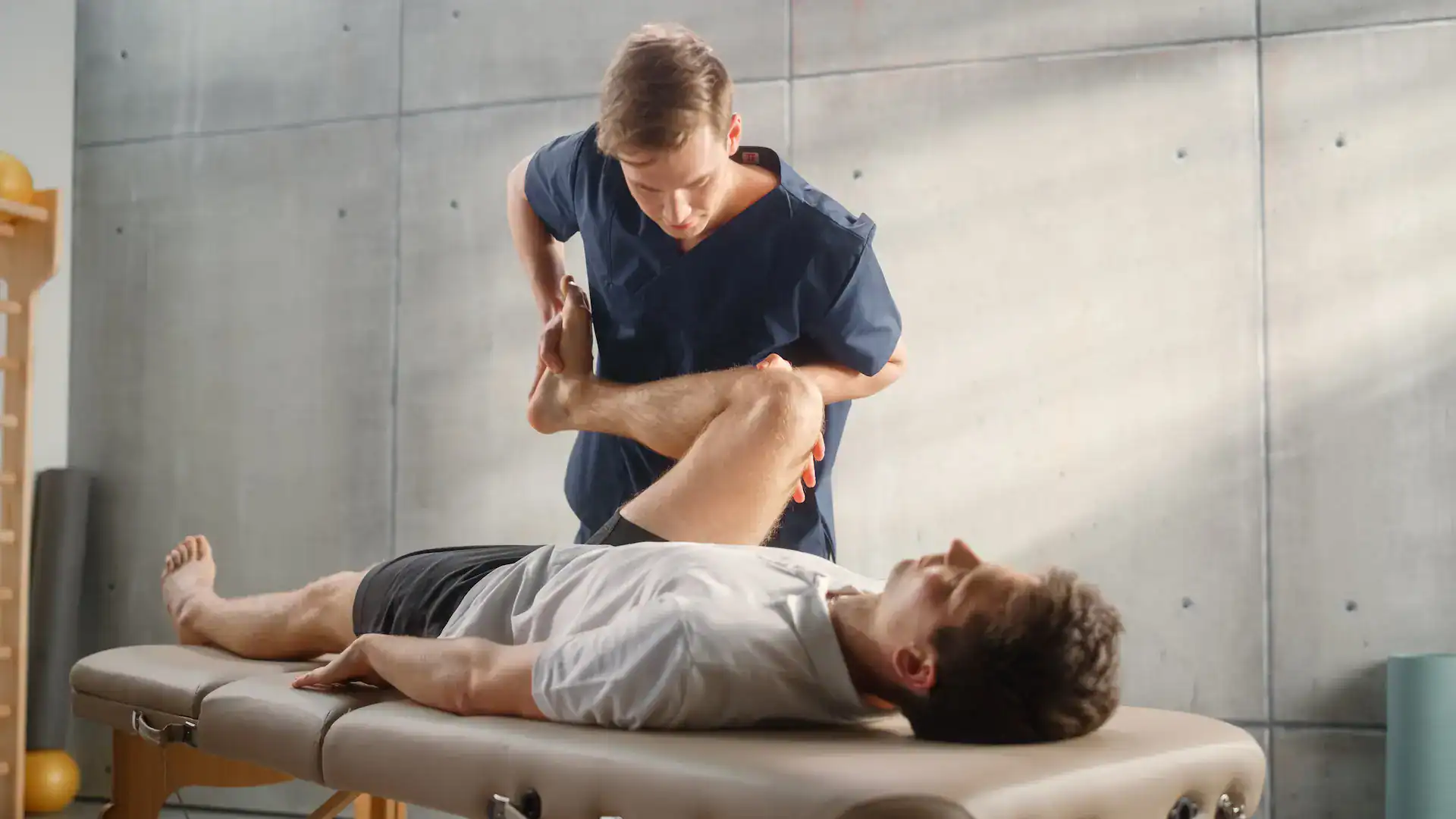
Physical therapist gently bending a patient's knee during a rehabilitation session on a treatment table.

You did everything right. You followed the recovery plan, went to your appointments, did the exercises. Eventually, your doctor or physical therapist cleared you — you’re healed, technically. But something still doesn’t feel quite right. Maybe a joint feels tighter than it should. Maybe you’re still favoring one side without meaning to. Maybe it just doesn’t feel like your body yet.

That gap between “cleared” and “feels normal again” is common, and it’s often where fascia-focused bodywork can help.

What Actually Happens During Recovery

When you’re recovering from surgery or a significant injury, your body isn’t just healing the specific site — it’s adapting around it, often for weeks or months at a time.

Areas that are immobilized, protected, or simply not used the way they normally would be can start to build up restriction. Fascia around the area may thicken or become less mobile. Scar tissue, if surgery was involved, can form in a way that limits how tissue glides and moves. And the muscles and fascia elsewhere in the body — areas that had to compensate while you were guarding or favoring the injured area — often stay tight long after the original injury has healed.

None of this necessarily shows up on an X-ray or MRI. It’s not that anything is medically wrong. It’s that the body built a set of compensations to get you through recovery, and those compensations don’t always resolve on their own once you’re cleared.

Why “Cleared” Doesn’t Always Mean “Moving Well”

Woman sitting and holding her knee, checking for lingering stiffness after being cleared from injury.

Medical clearance is an important milestone, and it means the underlying injury or surgical site has healed enough to resume normal activity. But “healed” and “moving the way it used to” aren’t always the same thing.

A knee that’s structurally sound can still feel stiff if the fascia around it never fully released from months of guarding. A shoulder that’s fully repaired can still feel restricted if the surrounding tissue adapted to protect it during recovery and never got the signal to let go. This is the space between medical healing and full functional movement — and it’s often the space fascia-focused bodywork is best suited to address.

How Fascia-Focused Bodywork Helps

Once you’ve been cleared by your doctor or physical therapist, bodywork can help address what’s left behind:

  • Working with scar tissue mobility so it can glide more naturally against surrounding tissue instead of staying adhered in place.
  • Releasing compensation patterns that built up in areas surrounding the original injury — a hip that overworked while a knee was healing, a shoulder that took over while an elbow was immobilized.
  • Restoring fascia mobility in areas that stiffened from prolonged immobilization or protective guarding.
  • Using targeted heat and specialized tools to help soften tissue that’s been restricted for an extended period, making it more responsive to hands-on work.

If you’ve read our post on what “stuck” tissue feels like, you’ve already seen why stretching alone often isn’t enough to resolve this kind of restriction — the same is true here. Fascia that’s tightened during recovery tends to need direct, hands-on work to actually release, not just movement over time.

What Bodywork Won’t Do — and Why Timing Matters

Bodywork isn’t a substitute for medical clearance, and it’s not something to start before your doctor or surgeon says it’s appropriate. Every surgery and injury has its own timeline, and starting hands-on work too early can interfere with healing rather than support it.

Once you are cleared, bodywork also isn’t a replacement for physical therapy if that’s part of your recovery plan. It works well alongside PT — many clients come to us specifically because they’re doing the prescribed exercises but still feel restricted in ways their exercises alone aren’t resolving.

Who This Tends to Help

Woman walking a forest trail with a hiking pole, returning to normal activity after recovery.

This kind of work tends to be especially useful for people recovering from:

  • Orthopedic surgery (knee, hip, shoulder replacements or repairs)
  • Fractures, once fully healed and cleared for movement
  • Soft tissue injuries like ligament or tendon tears
  • Older surgeries or injuries where scar tissue and compensation patterns never fully resolved, even years later

That last point is worth emphasizing: this isn’t only for people in the first few months after surgery. We regularly see clients dealing with restriction from an injury or surgery that happened years ago, where the compensation pattern simply never got addressed.

The Bottom Line

Being cleared by your doctor is a real milestone, but it isn’t always the finish line for how your body actually feels. If you’re still dealing with stiffness, restriction, or a sense that something isn’t quite moving the way it used to after a surgery or injury, that’s often fascia and compensation patterns still at play — and it’s something fascia-focused bodywork is well suited to help with.

If you’re navigating recovery and want support once you’ve been cleared, book a session with Bodywork Masters. We’ll talk through your recovery and assess how your body is moving before we begin.