Opens in a new tab

What to Expect at Your First Bodywork Session

Bob Tricomi
on
November 11, 2026

Booking a first appointment with someone new can come with questions. What should I wear? Will I have to explain everything? Is it going to hurt? Knowing what a first session looks like ahead of time makes it easier to relax into it, and relaxing tends to help the work itself.

Here’s a walkthrough of what to expect at a first fascia-focused bodywork session at Bodywork Masters, from booking to the day after.

Before You Arrive

Client filling out an intake form on a clipboard before a first bodywork session.

You can book online and choose a 50- or 80-minute session. You’ll find us at 1666 Massachusetts Ave, Suite 6, in Lexington, on the second floor and reachable by elevator. For hours, parking and directions, see our contact page.

There’s nothing special to prepare. A few things make the visit smoother:

  • Wear what’s comfortable. Loose or easily adjusted clothing works well, because your therapist needs to be able to reach the areas being worked on. Some people wear underwear or swimwear, and others prefer to undress fully. Choose whatever makes you feel at ease. Your therapist will drape you, so you’re covered and only the area being worked on is uncovered.
  • Think about what’s bothering you. When did it start? What makes it better or worse? Does it travel anywhere else? You don’t need to have it figured out, but a few details help.
  • Bring your questions. If you’re nervous about anything, say so. It’s a normal part of a first visit.

We Start With a Conversation

Smiling bodyworker taking notes while a client rests on the table, talking through concerns before hands-on work begins.

Your first session begins with a short form and a conversation, not with hands-on work. You’ll fill out a form describing what brought you in, and then your therapist talks it through with you: where you feel it, how long it’s been going on, what your daily life and activity look like, and what you’d like to change.

This matters more than it might sound. Pain often isn’t coming from where it hurts. A tight low back may be tied to the hips, and shoulder tension may trace back to the neck or upper back, so understanding the whole picture helps us decide where to focus. It’s also a good time to mention any surgeries, injuries or medical conditions, and anything you’d like us to avoid.

What Happens During the Session
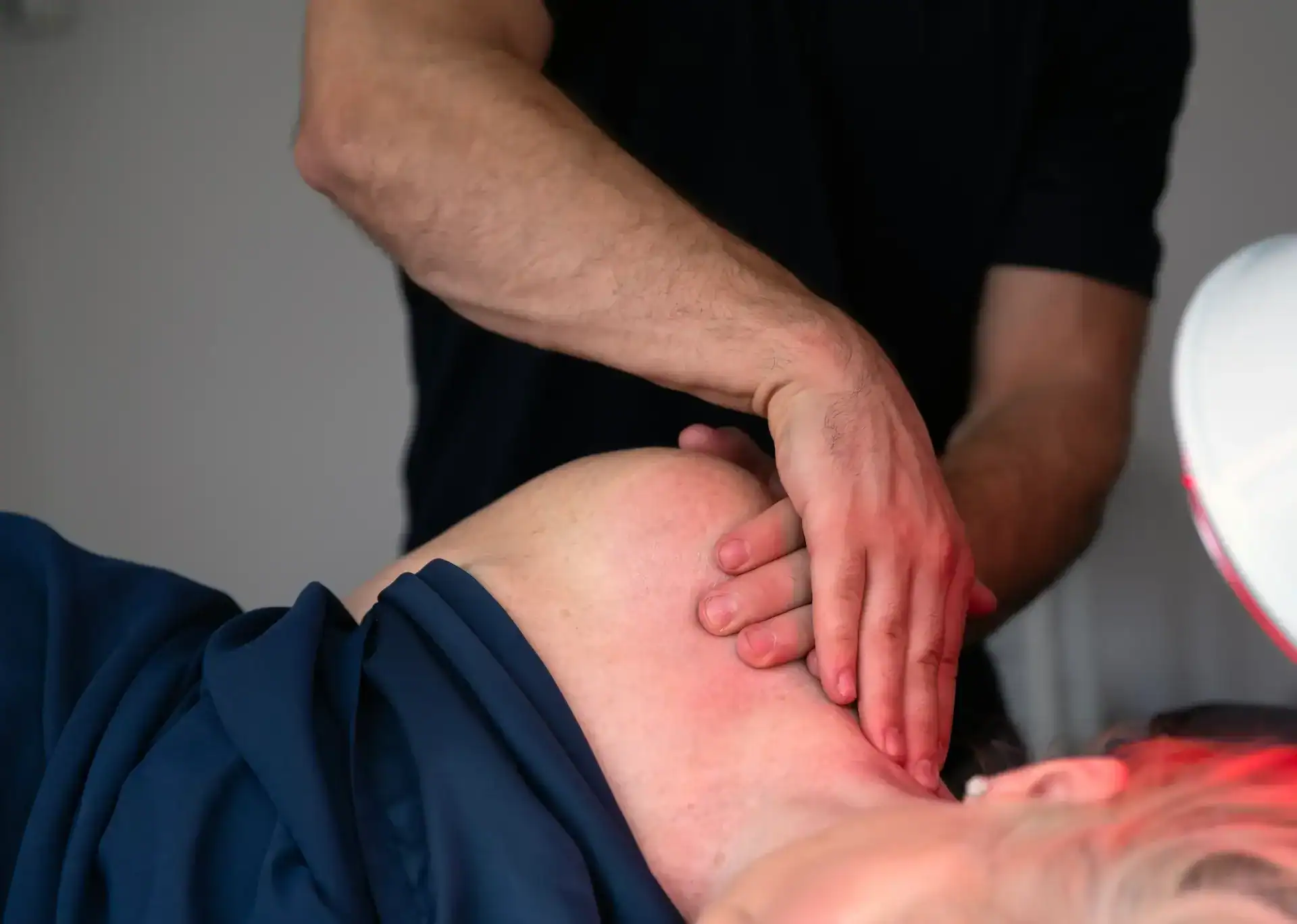
Bodyworker using hands and forearm on a client’s shoulder during a fascia-focused session, with an infrared heat lamp nearby and the rest of the body draped.

Once we’ve talked, the hands-on work begins. A few things you may notice:

  • Heat comes first. We use infrared heat in every session to warm the tissue so it responds better to hands-on work. Many people find this part relaxing in itself. If you’re curious, we’ve written about how heat therapy enhances bodywork.
  • The pace is slower than a typical massage. Instead of rhythmic strokes, fascia-focused work often uses slower, sustained contact that gives tight tissue time to soften and release.
  • Tools may be part of it. Depending on what your body needs, your therapist may use tools such as gua sha with heated instruments, or cupping, alongside hands-on techniques. Our Tricomi Method combines several of these approaches.
  • It can feel intense, especially the first time. Bodywork can feel more intense in the first session, particularly if there’s an injury or long-standing tightness in the area. It should feel like meaningful work, not like something you have to white-knuckle through. If the pressure is too much, tell your therapist right away. Staying relaxed usually helps tight tissue release more easily, and more pressure isn’t always better, which we cover in our post on whether fascia-focused bodywork is right for you.

What You Might Notice Afterward

Woman in a white robe sitting on the edge of a treatment table, calm and relaxed after a session.

Many people leave feeling looser and lighter. It’s also common to feel some soreness the next day, especially after a first session or if the area has been tight for a long time. You may also see some bruising or red marks, depending on the condition of the tissue and the tools used, and these typically fade within a few days to a week. We cover what’s normal, what’s worth a call, and simple aftercare in what to expect when you’re sore after bodywork.

Your therapist will also show you a few simple movements to do at home to help keep you loose and active between visits.

How Often You’ll Need to Come In

There’s no single answer, because it depends on what you’re dealing with. For an acute issue, sessions are often scheduled about every 1 to 2 weeks at first, with 10 days being ideal, then spaced further apart as things improve. Many people then come in every 4 to 6 weeks for maintenance. Your therapist will talk through a plan that fits your situation, and you’ll have a say in it.

A Few Things to Mention Before We Start

Let your therapist know about anything that might affect the session, including recent surgeries or injuries, conditions you’re managing with your doctor, and any area that’s especially tender. Fascia-focused bodywork works alongside medical care, not instead of it, so if something is new, severe or getting worse, check in with your doctor first.

The Bottom Line

Smiling man in a navy peacoat and scarf walking out of a building with a leather bag, relaxed and ready to head back into his day after a first bodywork session.

A first session is mostly a conversation and a chance for your therapist to understand your body, followed by focused hands-on work at a pace that works for you. There’s no need to prepare, and no need to be anything other than yourself.

If you’ve been curious but unsure what to expect, book your first session with Bodywork Masters and bring your questions with you.


Bob Tricomi

Bob is the creator of the Tricomi Method®, a fascia-focused approach using heat and tools to release pain quickly and effectively. He works hands-on with clients and trains massage professionals through the Bodywork Masters Training Program.

What to Expect at Your First Bodywork Session

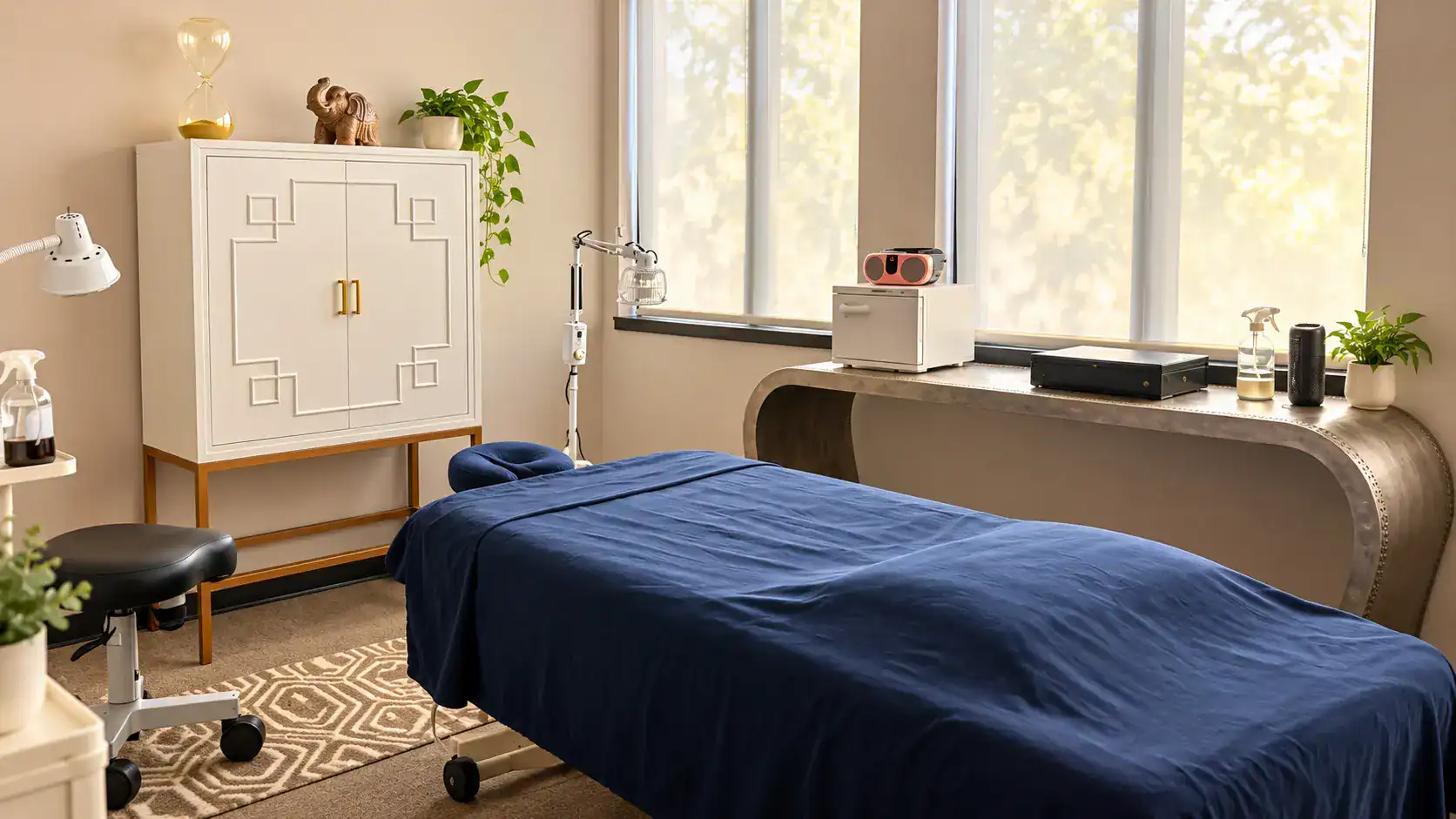
Bodywork Masters treatment room with a draped table, infrared heat lamp and natural light, where bodywork sessions takes place.

Booking a first appointment with someone new can come with questions. What should I wear? Will I have to explain everything? Is it going to hurt? Knowing what a first session looks like ahead of time makes it easier to relax into it, and relaxing tends to help the work itself.

Here’s a walkthrough of what to expect at a first fascia-focused bodywork session at Bodywork Masters, from booking to the day after.

Before You Arrive

Client filling out an intake form on a clipboard before a first bodywork session.

You can book online and choose a 50- or 80-minute session. You’ll find us at 1666 Massachusetts Ave, Suite 6, in Lexington, on the second floor and reachable by elevator. For hours, parking and directions, see our contact page.

There’s nothing special to prepare. A few things make the visit smoother:

  • Wear what’s comfortable. Loose or easily adjusted clothing works well, because your therapist needs to be able to reach the areas being worked on. Some people wear underwear or swimwear, and others prefer to undress fully. Choose whatever makes you feel at ease. Your therapist will drape you, so you’re covered and only the area being worked on is uncovered.
  • Think about what’s bothering you. When did it start? What makes it better or worse? Does it travel anywhere else? You don’t need to have it figured out, but a few details help.
  • Bring your questions. If you’re nervous about anything, say so. It’s a normal part of a first visit.

We Start With a Conversation

Smiling bodyworker taking notes while a client rests on the table, talking through concerns before hands-on work begins.

Your first session begins with a short form and a conversation, not with hands-on work. You’ll fill out a form describing what brought you in, and then your therapist talks it through with you: where you feel it, how long it’s been going on, what your daily life and activity look like, and what you’d like to change.

This matters more than it might sound. Pain often isn’t coming from where it hurts. A tight low back may be tied to the hips, and shoulder tension may trace back to the neck or upper back, so understanding the whole picture helps us decide where to focus. It’s also a good time to mention any surgeries, injuries or medical conditions, and anything you’d like us to avoid.

What Happens During the Session

Bodyworker using hands and forearm on a client’s shoulder during a fascia-focused session, with an infrared heat lamp nearby and the rest of the body draped.

Once we’ve talked, the hands-on work begins. A few things you may notice:

  • Heat comes first. We use infrared heat in every session to warm the tissue so it responds better to hands-on work. Many people find this part relaxing in itself. If you’re curious, we’ve written about how heat therapy enhances bodywork.
  • The pace is slower than a typical massage. Instead of rhythmic strokes, fascia-focused work often uses slower, sustained contact that gives tight tissue time to soften and release.
  • Tools may be part of it. Depending on what your body needs, your therapist may use tools such as gua sha with heated instruments, or cupping, alongside hands-on techniques. Our Tricomi Method combines several of these approaches.
  • It can feel intense, especially the first time. Bodywork can feel more intense in the first session, particularly if there’s an injury or long-standing tightness in the area. It should feel like meaningful work, not like something you have to white-knuckle through. If the pressure is too much, tell your therapist right away. Staying relaxed usually helps tight tissue release more easily, and more pressure isn’t always better, which we cover in our post on whether fascia-focused bodywork is right for you.

What You Might Notice Afterward

Woman in a white robe sitting on the edge of a treatment table, calm and relaxed after a session.

Many people leave feeling looser and lighter. It’s also common to feel some soreness the next day, especially after a first session or if the area has been tight for a long time. You may also see some bruising or red marks, depending on the condition of the tissue and the tools used, and these typically fade within a few days to a week. We cover what’s normal, what’s worth a call, and simple aftercare in what to expect when you’re sore after bodywork.

Your therapist will also show you a few simple movements to do at home to help keep you loose and active between visits.

How Often You’ll Need to Come In

There’s no single answer, because it depends on what you’re dealing with. For an acute issue, sessions are often scheduled about every 1 to 2 weeks at first, with 10 days being ideal, then spaced further apart as things improve. Many people then come in every 4 to 6 weeks for maintenance. Your therapist will talk through a plan that fits your situation, and you’ll have a say in it.

A Few Things to Mention Before We Start

Let your therapist know about anything that might affect the session, including recent surgeries or injuries, conditions you’re managing with your doctor, and any area that’s especially tender. Fascia-focused bodywork works alongside medical care, not instead of it, so if something is new, severe or getting worse, check in with your doctor first.

The Bottom Line

Smiling man in a navy peacoat and scarf walking out of a building with a leather bag, relaxed and ready to head back into his day after a first bodywork session.

A first session is mostly a conversation and a chance for your therapist to understand your body, followed by focused hands-on work at a pace that works for you. There’s no need to prepare, and no need to be anything other than yourself.

If you’ve been curious but unsure what to expect, book your first session with Bodywork Masters and bring your questions with you.